
What’s Spiritism?
What’s the purpose of life?
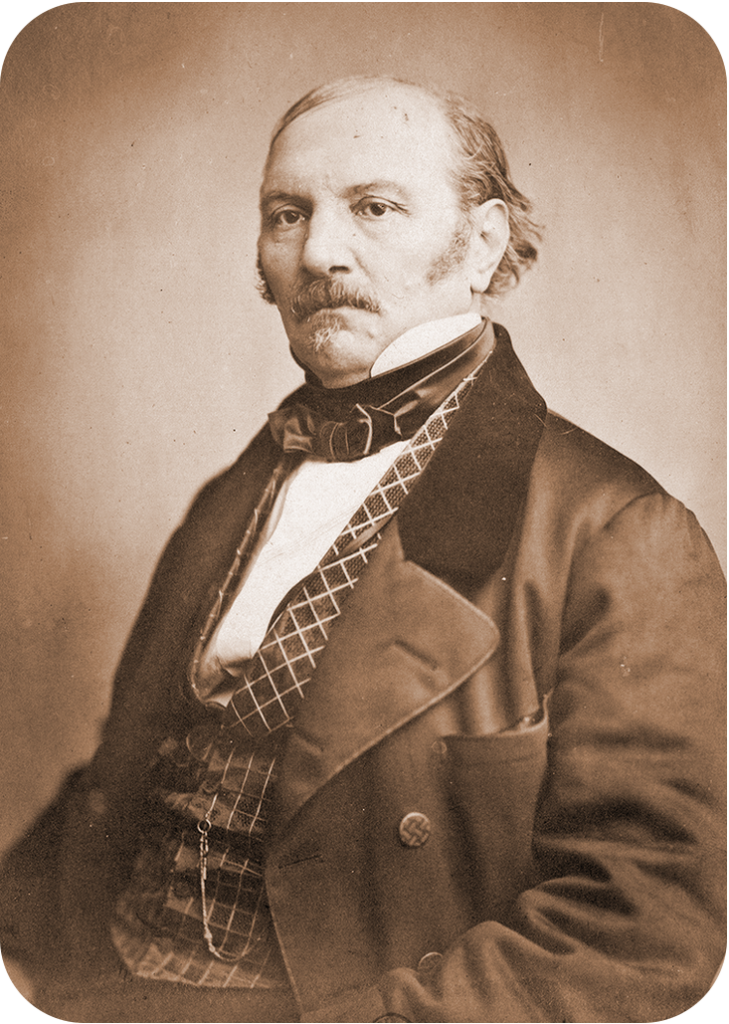
Spiritism is a spiritual philosophy founded in the 19th century by the French educator Hippolyte Léon Denizard Rivail, known by the pen name Allan Kardec.
Spiritism teaches that human beings are immortal spirits who temporarily inhabit physical bodies through a series of reincarnations, each offering opportunities for moral and intellectual growth. It also affirms that disembodied spirits may interact with the physical world through mediumship, influencing human life in positive or negative ways.
Spiritism is an evolution-affirming philosophy grounded in reason, ethics, and continuous personal improvement.
The Threefold Foundation of Spiritism
Spiritism is structured around three complementary dimensions:
Science
Spiritism studies spiritual phenomena such as mediumship through observation, analysis, and reasoned inquiry, seeking rational explanations for experiences once considered supernatural.
Philosophy
It addresses fundamental questions about existence, the origin and destiny of spirits, suffering, justice, and humanity’s purpose.
Ethics
Rather than rituals or clergy, Spiritism focuses on moral development and ethical living, promoting values such as charity, compassion, humility, and responsibility.
Spiritist Principles
Spiritism is based on several fundamental principles, including:
Existence of God
God is the supreme intelligence and primary cause of all things: eternal, just, and good.
Communicability of Spirits
Mediumship allows communication between the spiritual and physical realms.
Immortality of the Soul
The soul survives physical death and retains its individuality.
Plurality of Inhabited Worlds
The universe contains many inhabited worlds, offering different stages of spiritual evolution.
Plurality of Existences
Spirits experience multiple lives to achieve moral and intellectual progress.
Evolution
Everything evolves; progress is a fundamental law of life and the universe.